 701.262.4560

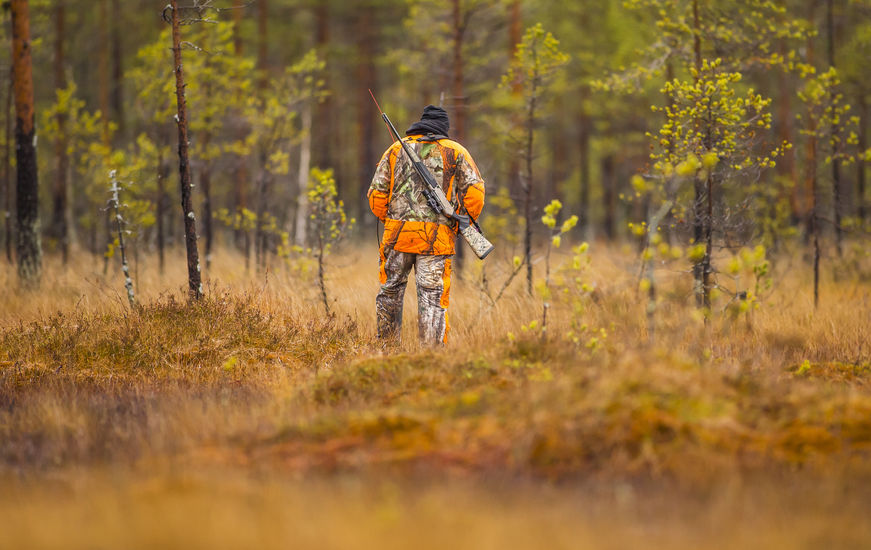
Planning a guided moose hunt in Saskatchewan is exciting, but preparing for the trip takes more than packing your usual hunting gear. Between changing fall temperatures, remote wilderness locations, and long days outdoors, bringing the right supplies can make a big difference in your comfort and overall hunting experience.
Even experienced hunters may find that a guided moose hunt requires different preparations than a typical deer hunt. Whether this is your first trip or you’re returning for another adventure, here’s what to pack before heading into the Canadian wilderness.
Dress for Changing Weather Conditions
Fall weather in northern Saskatchewan can be unpredictable. Temperatures may be comfortable during the afternoon but drop significantly overnight or early in the morning.
Dressing in layers is one of the easiest ways to stay comfortable throughout the day. Start with moisture-wicking base layers, add an insulating fleece or jacket, and finish with a weather-resistant outer layer.
Some important clothing items to bring include:
- Thermal base layers and long underwear
- Warm fleece or insulated jackets
- Waterproof hunting boots with good traction
- Wool or moisture-wicking socks
- Insulated gloves and a warm hat
- Waterproof rain jacket and pants
- Extra clothing in case anything gets wet
Saskatchewan also has specific high-visibility clothing requirements for big game hunting. These generally include an approved outer garment in white, scarlet, bright yellow, or blaze orange, along with a cap or toque in an approved high-visibility color. Be sure to review the current provincial hunting regulations for complete requirements before your trip.
For more advice on preparing for colder conditions, check out our guide to packing for a fall camping trip.
Bring Reliable Hunting Equipment
Having equipment you’re familiar with is especially important during a guided moose hunt. The last thing you want is to discover that something isn’t working properly once you’re deep in the wilderness.
Before leaving, inspect your equipment and make sure everything is in good condition.
Depending on your hunting arrangements, useful supplies may include:
- A familiar, properly sighted-in hunting rifle
- Appropriate ammunition and a secure firearm case
- Binoculars for spotting wildlife
- A rangefinder
- A sturdy hunting backpack
- A reliable hunting knife
- A GPS device or compass
- Spare batteries for electronic equipment
Your hunting guide may already provide certain tools and supplies, so check with your outfitter before packing equipment you might not need.
If you’re new to the experience, our article on advice for new moose hunters offers additional tips for preparing for your trip.
Pack for Your Overnight Accommodations
Unlike shorter hunting trips, guided moose hunts may involve spending several nights away from the main lodge.
Depending on your hunting package and location, you might stay in an outpost cabin, tent camp, or return to the main lodge after a day in the field.
A warm, reliable sleeping bag is one of the most important items to bring, especially if you’ll be staying overnight at a tent camp or outpost cabin. You should also bring personal items such as toiletries, prescription medications, a towel if needed, and comfortable clothing for relaxing after a long day outdoors.
Before packing tents, cooking equipment, or other bulky supplies, confirm which items are already provided.
Don’t Forget Essential Safety Supplies
Safety should always be a priority when hunting in remote areas. Even with an experienced guide, it’s important to have a few basic essentials readily available.
Consider packing a small first-aid kit, headlamp or flashlight, extra batteries, water bottle, and personal medications.
A portable phone charger can also be useful, although cellular service may be limited in remote areas. Never rely on your phone as your only navigation or emergency communication tool.
Keeping essential items in a waterproof backpack or protective bag can help prevent damage from rain and moisture.
Check Your Hunting Documents Before Traveling
If you’re traveling from the United States or another country, make sure your paperwork is in order before your trip.
The Government of Saskatchewan provides current hunting regulations, licensing information, and seasonal requirements.
Hunters bringing firearms across the Canadian border should also review the Canada Border Services Agency’s firearm requirements, including declaration procedures and necessary documentation.
Before departing, confirm your identification, hunting arrangements, firearm paperwork, and any travel requirements with your outfitter.
Prepare for Your Guided Moose Hunt in Saskatchewan
At Lawrence Bay Lodge, we offer exciting guided moose hunting trips in northern Saskatchewan, with experienced guides and access to remote hunting areas around Reindeer Lake. Our hunting packages include food, local flights, guiding, and a moose licence so that you can focus on the adventure ahead.
Whether you prefer returning to our main lodge or spending time at a remote hunting camp, we’re here to help you enjoy an unforgettable wilderness experience.
Ready to plan your next moose hunting trip? Contact us to learn more about our guided hunting packages and start preparing for your adventure!